





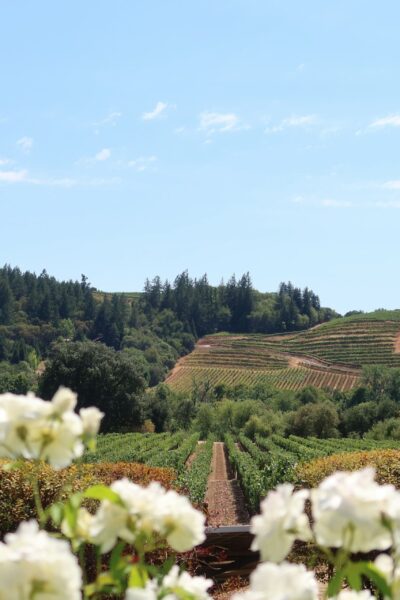



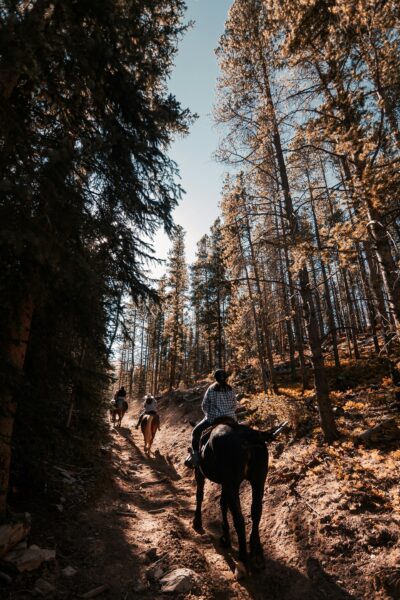

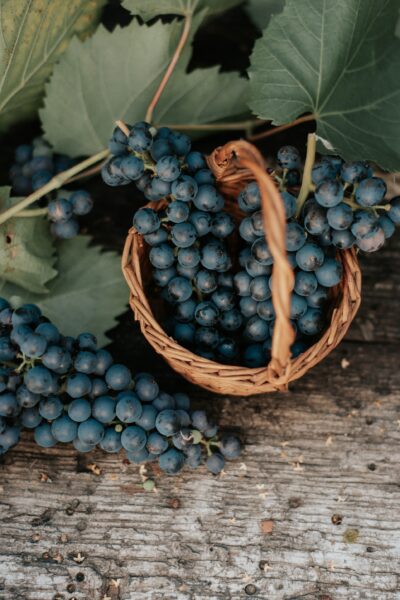
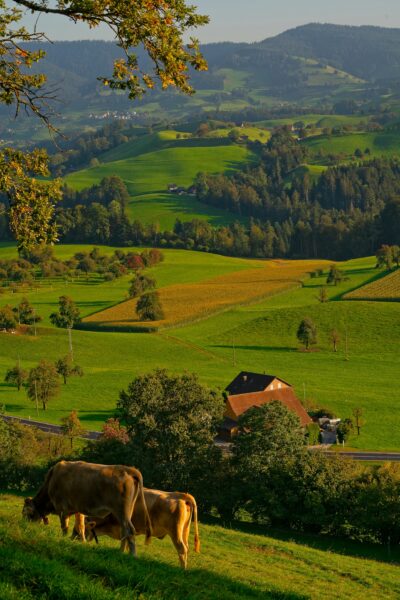




If you’ve ever dreamed of rolling through sun-soaked vineyards, tasting world-class wines straight from the source, and pretending you’re the main character in a European countryside movie, then a wine road trip is exactly what your wanderlust ordered.
But before you hit the road and yell “To the vineyards!”, you’ll want to plan it right. Trust me, winging a wine trip works only in romantic comedies and very lucky accidents.
Here’s your beginner-friendly, somewhat humorous, yet actually useful guide on how to plan the perfect wine road trip.
- Choose Your Wine Region (a.k.a. Pick Your Adventure)
- Choose the Right Wineries-Variety Is Your Friend
- Plan Your Route (And Don’t Rely on Wi-Fi in the Middle of Vineyards)
- Book Accommodation Close to the Action
- Plan the Logistics: Snacks, Water, and… a Designated Driver
- Leave Room for Serendipity
- Capture the Experience (But Not Every Sip)
- Bring Home the Good Stuff
- Choose Your Wine Region (a.k.a. Pick Your Adventure)
First question: Where shall your taste buds take you?
Do you want to sip Pinot Noir amid misty hills in Oregon, or perhaps bold reds in the Tuscan sun? Your choice of destination dictates the feel of the entire trip.
When selecting a region, consider:
Wine styles you love or want to learn about
Driving distances between wineries
Best seasons to visit: harvest festivals are amazing but also very crowded
Local food scene—because no one wants wine without snacks.
If your travel companion says, “We can just decide when we get there,” gently take their glass away. They cannot be trusted.
- Choose the Right Wineries-Variety Is Your Friend
Not just the famous ones, though. Mix it up:
Boutique, family-run wineries for intimate stories
Large historic estates for architecture and prestige
Young, innovative winemakers for unexpected flavors
Aim for 3-4 wineries per day.
More than that, and your palate—and your ability to walk in a straight line—will not thank you.
Pro tip: Always check if reservations are required. Many wineries now operate by appointment only, especially during peak season.
- Plan Your Route (And Don’t Rely on Wi-Fi in the Middle of Vineyards)
Once you’ve selected the wineries you must see, map them out.
Try to group them into logical clusters so you don’t end up spending more time in the car than in the tasting room.
Good planning avoids:
Rushing tastings
Driving back and forth like a lost grape
Missing your booking because a “short drive” turned into an irrelevant mountain tour, even if scenic
Download offline maps in case reception vanishes, leaving you guessing which dirt road leads to wine and which one leads to goats.
- Book Accommodation Close to the Action
Whether you choose a vineyard villa, a countryside B&B, or a cozy boutique hotel, stay near the wineries.
Not only will you save time, but you’ll also enjoy:
Better views
Earlier access to morning tastings: they’re surprisingly great
Shorter drives after a long day of sipping elegance
And please-do not assume you can “just find a place when you arrive.” Wine regions get busy, and you might end up sleeping in your car with a confused bottle of Merlot.
- Plan the Logistics: Snacks, Water, and… a Designated Driver
Ah yes, the practical stuff.
On every wine trip you absolutely need:
Plenty of water (hydrated tasters live longer—and drink more responsibly)
Snacks: nuts, crackers, cheese… anything but wine-flavored gummies
A cooler for carrying purchases
A corkscrew, for forgetting one is a tragedy
Above all, make arrangements for safe transportation.
Either rotate designated driver duties, hire a local driver, or join a private tasting tour. Remember: wine trips are fun; unsafe driving is not.
- Leave Room for Serendipity
Even the best itineraries need breathing room. Some of the most magical moments happen when you:
Discover a tiny roadside winery
Stay longer because you fell in love with a vineyard dog
Following the secret recommendation of a winemaker
Allow some flexibility-you’re not running a marathon. You’re chasing great wine, and even better memories.
- Capture the Experience (But Not Every Sip)
Capture shots of vineyards aglow under the golden sunset, beautiful architecture, and those quaint cellar doors.
But do try to stay present. You don’t need a photo of every glass; your camera roll shouldn’t look like a wine catalog. Instead, write down your impressions. Not detailed tasting notes—just how each wine made you feel. Example: “This Riesling tasted like confidence and peach blossoms. Bought two.”
8. Bring Home the Good Stuff
Most wineries have exclusive labels that are not available elsewhere, so don’t hesitate to take home:
A couple of special bottles
Local delicacies
Memories you’ll brag about for years
Just check airport restrictions if you’re flying—no one likes a baggage agent handing you back your Cabernet in tears.
The final sip; savor the journey. A wine road trip isn’t about rushing from tasting room to tasting room but rather about slowing down, savoring traditions, meeting passionate winemakers, and getting that vineyard sun on your face. Plan well, but leave room for the unexpected. After all, wine tastes better when the moment feels right.
Comments